Lenders fund auction purchases every week. What they will not do is approve one in the three days between the sale and the auction's payment deadline. The order of operations is approval first, bid second, and the machine has to be one the lender can check.
Why the timing breaks deals
Ritchie Bros., IronPlanet, and most regional auction houses want full payment within about seven to ten days of the sale. A lender's file on a new customer takes a week to underwrite once the application, bank statements, and equipment details are in, and funding follows the signed documents. Start that clock after you win the lot and you miss the deadline, lose the deposit, and in some cases get billed for the resale shortfall.
The fix is a pre-approval. Submit the application before the auction with the lot number, the auction's description and photos, and the top number you plan to bid. The lender approves an amount and a maximum age and hour reading. You bid inside that box, send the invoice the day you win, and funding follows on time.
What the approval has to cover
Your bid is not the number the lender needs to cover. The invoice will show the hammer price plus the buyer's premium, which runs from about 5 to 15 percent depending on the house and whether the sale is online, plus sales tax where the auction collects it, plus transport if the auction arranges it. Most programs will finance the premium and tax. Ask for an approval about 20 percent above your bid ceiling so the invoice fits.
What the lender checks on an auction machine
Down payment and pricing
Auction purchases carry a bit more down than dealer purchases: plan on 10 to 20 percent even with good credit. The lender has no dealer standing behind the machine and no warranty, so the extra equity is its cushion. The rate is usually the same as on a dealer unit. The price you paid is close to what the lender would recover, which is the opposite of the problem you have with a marked-up dealer truck.
| Purchase | Financed | Term | Strong credit | Average credit | Challenged or start-up |
|---|---|---|---|---|---|
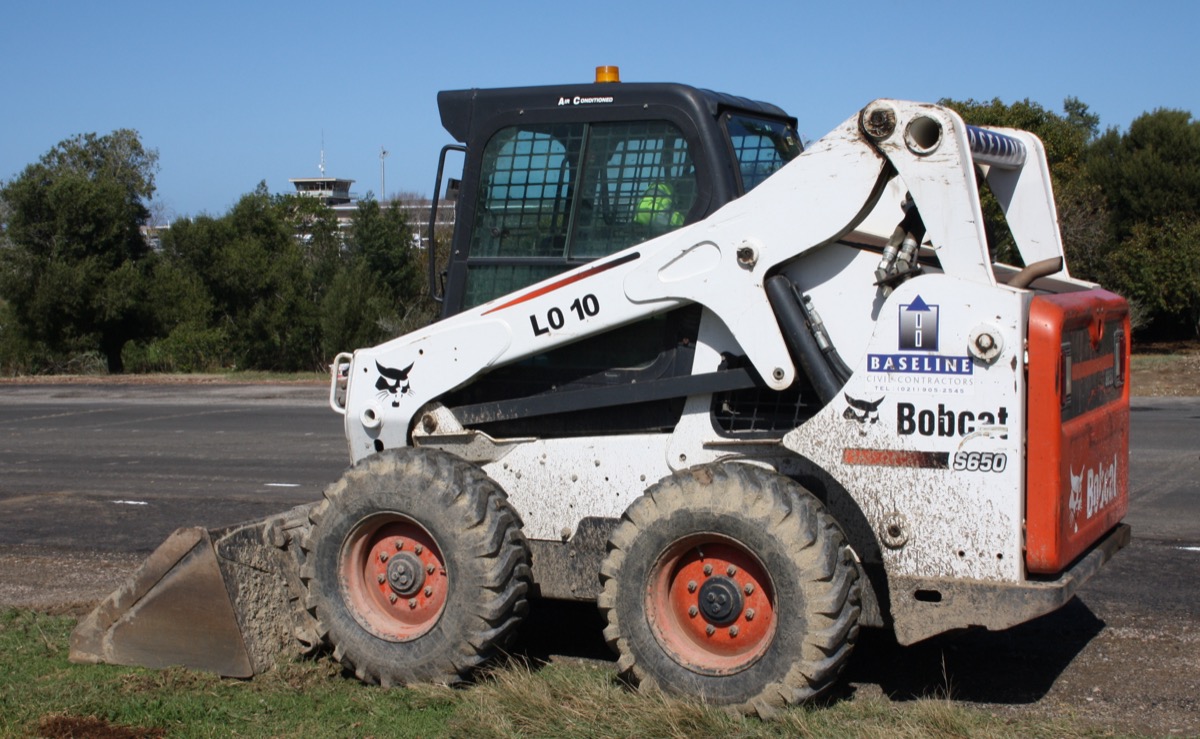
| Auction skid steer, $45,000 invoice, 15% down | $38,250 | 48 mo | $950/mo | $1,024/mo | $1,122/mo |
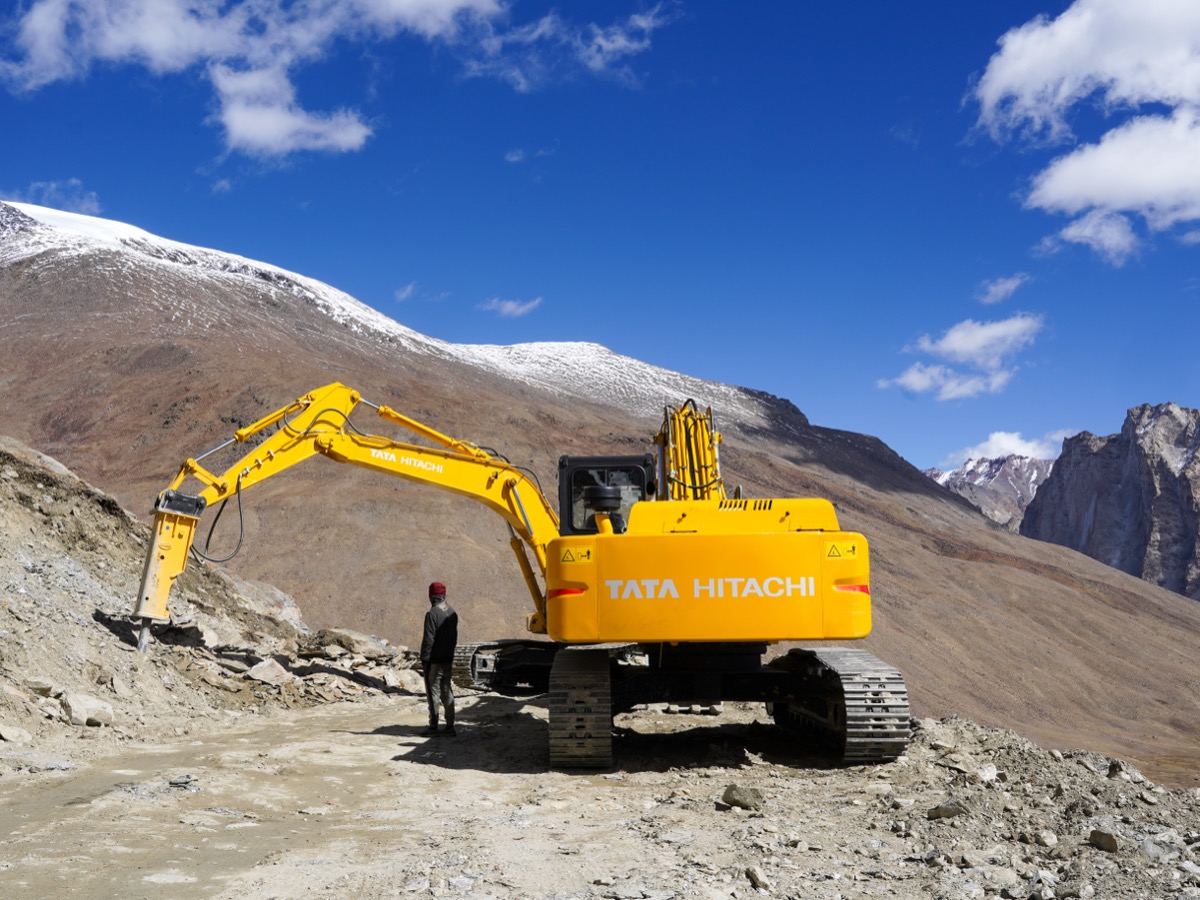
| Auction excavator, $80,000 invoice, 15% down | $68,000 | 60 mo | $1,408/mo | $1,544/mo | $1,723/mo |
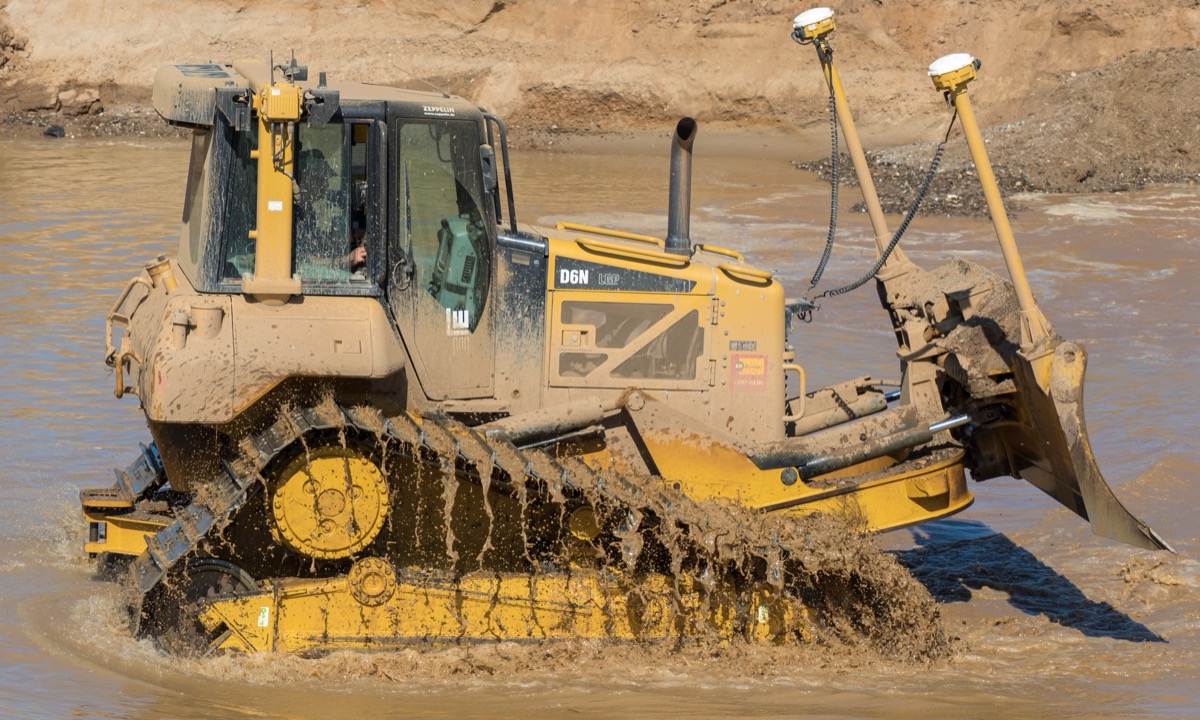
| Auction dozer, $140,000 invoice, 10% down | $126,000 | 60 mo | $2,609/mo | $2,860/mo | $3,193/mo |
Illustrative estimates, not offers or quotes. Real payments depend on the funding program, credit, time in business, down payment, equipment age, and documentation fees. Run your own numbers in the payment calculator.
What does not finance
- Salvage or "parts only" lots. No lender takes a machine sold without a serial plate or with a salvage title.
- Machines outside the approval. If the pre-approval was for a 2018 excavator and you win a 2012, that is a new file, not a substitution.
- Personal-name purchases. The financing has to match the invoice, and the invoice has to say the business.
Lenders make their own credit decisions and set their own terms. Nothing here is an offer of credit or tax advice.
Questions we get
Can I finance equipment from Ritchie Bros. or IronPlanet?
Yes. Most equipment lenders fund purchases from the major auction houses. The requirement is a pre-approval before the sale so funding can happen inside the auction payment window.
Does the buyer premium get financed?
Usually. Most programs finance the full invoice, which includes the premium and any sales tax the auction collects. Confirm this when the pre-approval is issued.
How much down for an auction purchase?
Plan on 10 to 20 percent. Auction units are sold as-is with no dealer behind them, so lenders want more equity than on a dealer purchase.
What if I win the bid without a pre-approval?
Send the invoice, application, and three months of bank statements the same day. A same-week approval is possible on a clean file, but it is not something to count on. Ask the auction about a short extension in writing before the deadline passes.