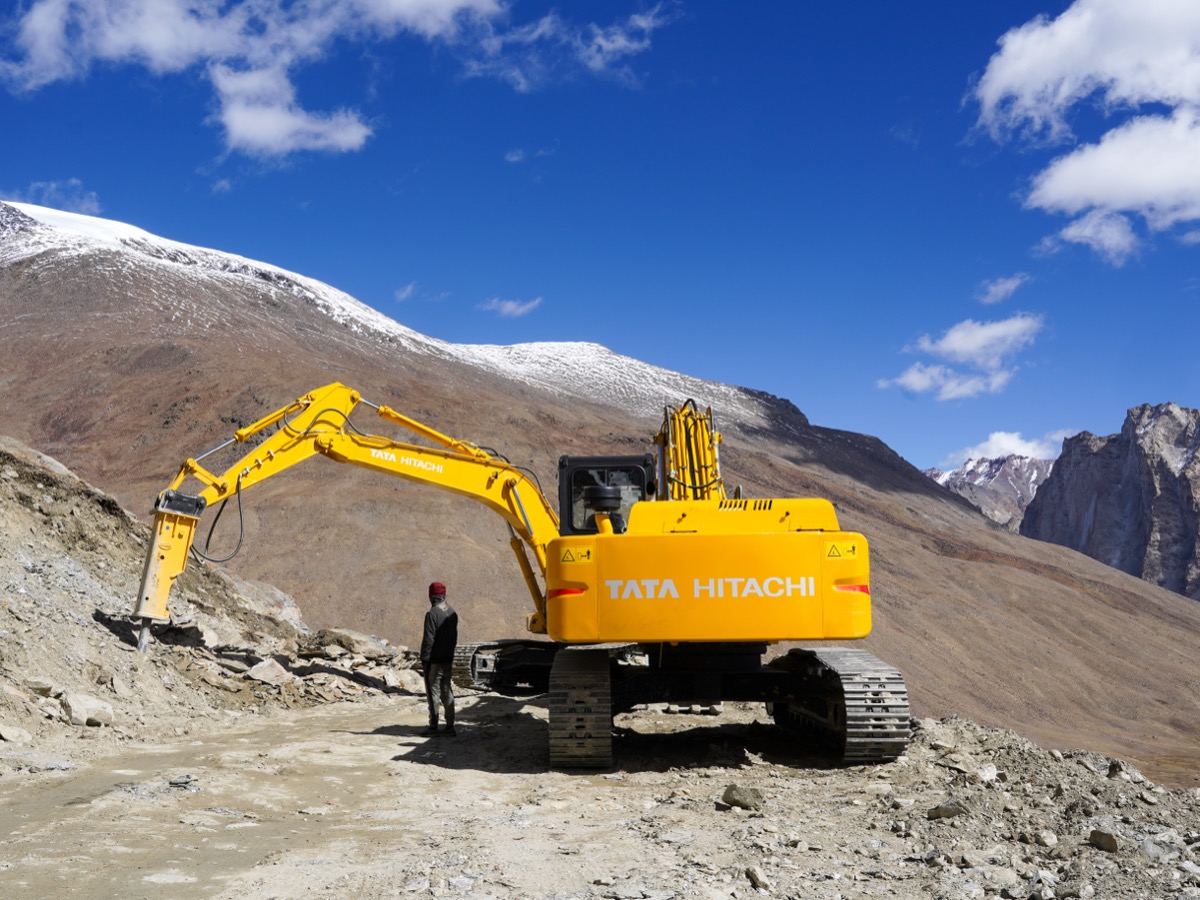
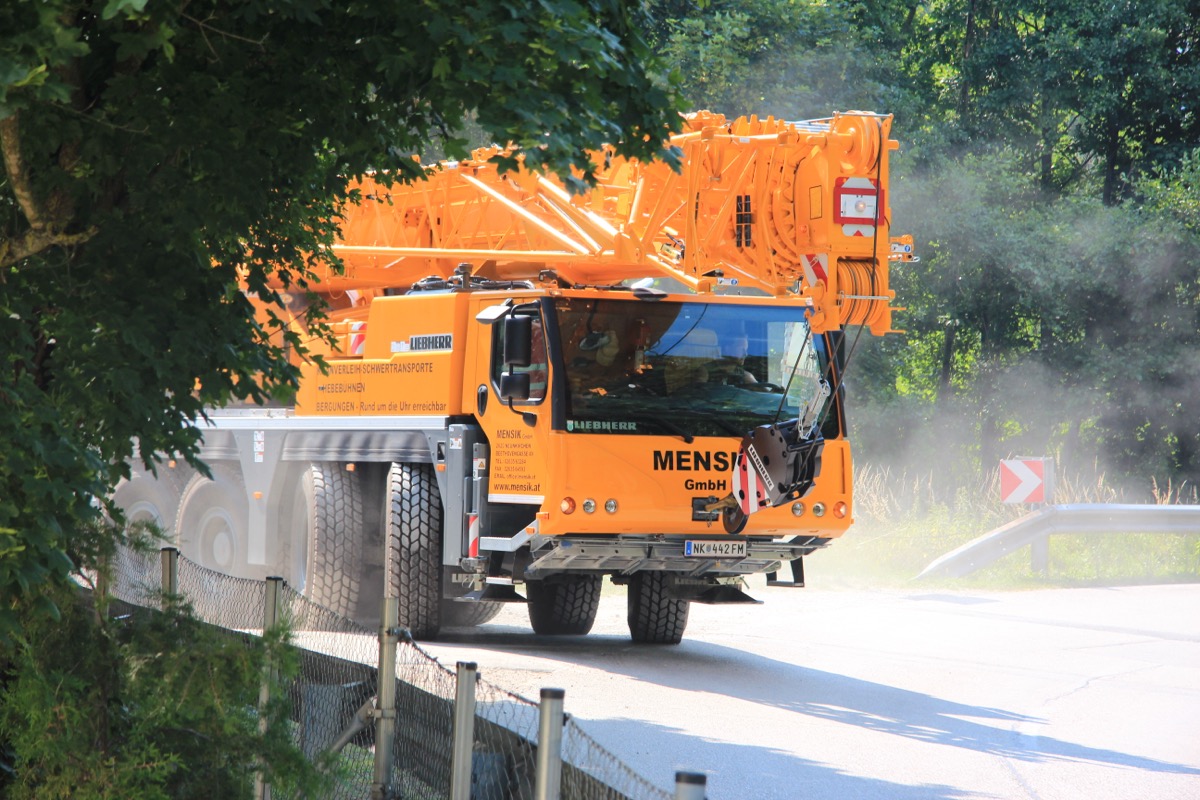
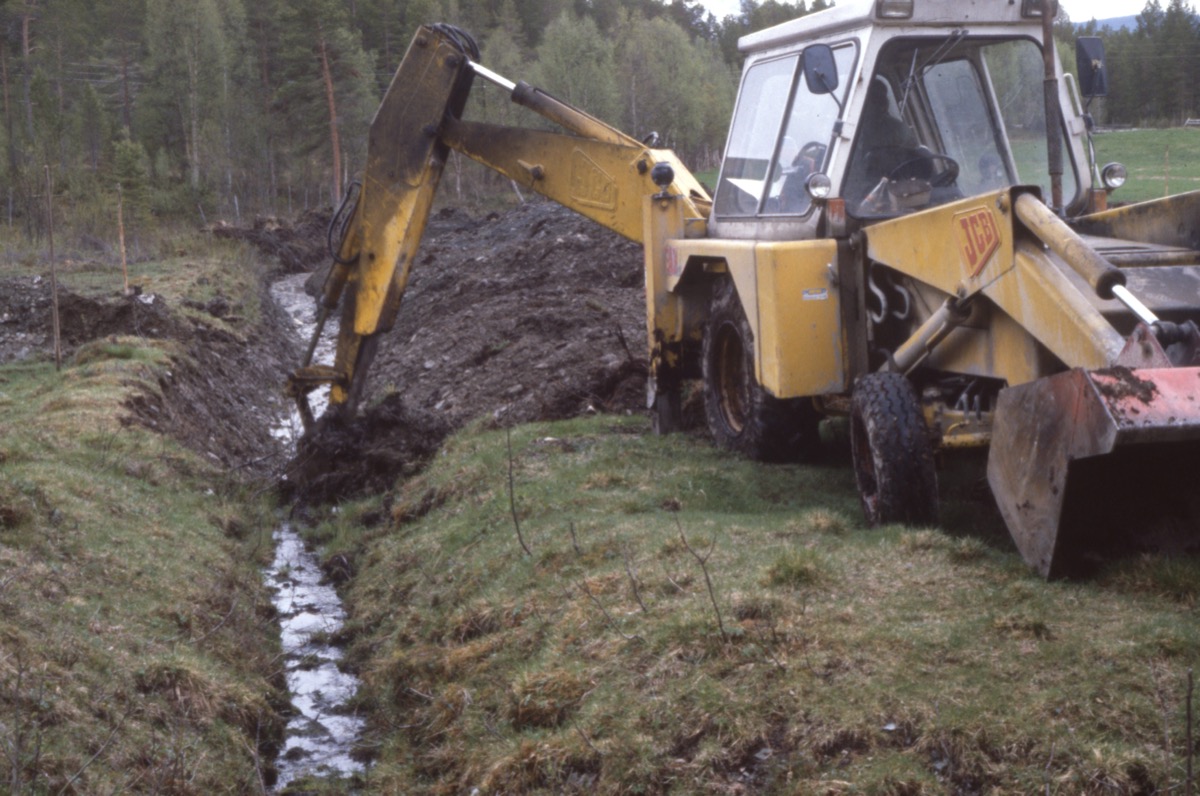
Yellow iron is where generalist lenders get nervous and equipment lenders get comfortable. We place dozers, loaders, and graders with programs that value them properly, because a well-kept D6 holds its value better than almost any truck.
What we finance
What the lenders care about on heavy iron
- Serial number and hours. Every program verifies the serial, and most want a current photo of the hour meter. Machines with 8,000-plus hours are fine if the undercarriage and drivetrain check out.
- Dealer versus private. Several of our best yellow-iron programs are dealer-only. Private-party dozers and loaders still fund, through different programs, with an inspection and a lien search.
- Where it works. A couple of programs exclude certain states for yellow iron. Tell us where the machine will live and we route around it.
- Insurance. Physical damage coverage naming the lender as loss payee before funding. On bigger units, expect a $2,500 maximum deductible requirement.
Deal structures that fit this equipment
Longer terms. Because dozers and loaders hold value, terms stretch to 72 and 84 months on newer units, which keeps the payment in line with what the machine bills.
Seasonal and skip payments. Sitework slows in winter in half the country. Some programs allow reduced or skipped payments in the off months on established contractors.
Refinance and cash-out. Own a loader free and clear? A sale-leaseback or equipment-backed loan turns it into working capital for the next job without selling it.
Fleet adds. Buying three machines from one dealer? One application, one set of documents, one payment.
Who we work with
Sitework and grading contractors, excavation companies, paving crews, land clearing and forestry outfits, quarries and aggregate yards, landfills, farms clearing ground, and municipalities' contractors. Start-ups with real seat time get looked at seriously; a foreman going out on his own with a signed contract in hand is a fundable file.
What a payment can look like
Rough ranges so you can budget before you call a dealer.
| Amount financed | Term | Strong credit | Average credit | Challenged or start-up |
|---|---|---|---|---|
| $85,000 | 60 mo | $1,760/mo | $1,930/mo | $2,154/mo |
| $160,000 | 60 mo | $3,314/mo | $3,632/mo | $4,054/mo |
| $275,000 | 72 mo | $4,943/mo | $5,506/mo | $6,257/mo |
| $450,000 | 84 mo | $7,217/mo | $8,162/mo | $9,432/mo |
Illustrative estimates only, not offers or quotes. Real payments depend on the funding program, credit, time in business, down payment, equipment age, and documentation fees. Seeing your actual options starts with a soft credit inquiry. Run your own numbers in the payment calculator.
Questions we get
Can I finance a dozer with under two years in business?
Yes. Start-up programs typically want 10 to 20 percent down, a personal guarantee, and proof of experience or a contract for the work. The machine itself carries a lot of the credit decision because it holds value.
Do you finance used wheel loaders from auction?
Yes. Get pre-qualified before the sale so the lender can pay inside the auction window. Ritchie Bros, IronPlanet, and regional auctions are all routine.
What is the oldest dozer you can finance?
Most programs go 10 to 15 years. Older units with rebuilt drivetrains and a full inspection can still work through story-credit lenders, usually with a shorter term.
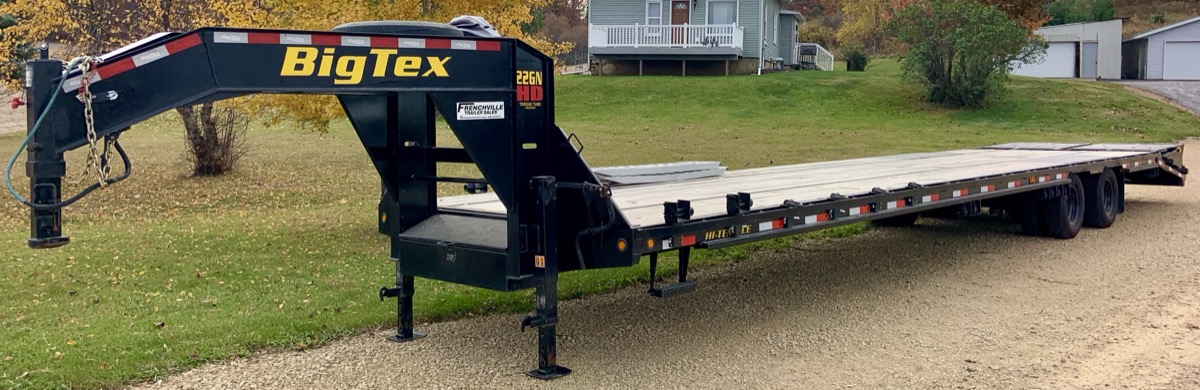
Can I roll in the lowboy?
Yes. Trailer, attachments, delivery, and sales tax can go on the same contract, subject to the total advance the program allows.