Section 179 lets a business deduct the full purchase price of qualifying equipment in the year it is placed in service instead of depreciating it over five or seven years. Financing does not change that. You can deduct the whole machine while paying for it over 60 months.
The 2026 numbers
How it works with a financed machine
You buy a $120,000 excavator in October on a 60-month equipment finance agreement. You put $12,000 down. By December 31 you have made two payments, roughly $5,000. On your 2026 return you deduct the full $120,000 under Section 179, even though you have paid about $17,000 of it.
At a combined federal and state rate of 30 percent, that is roughly $36,000 of tax you do not pay in April, against $17,000 of cash out the door. The tax savings alone cover most of the first year of payments. That is the whole reason Q4 is the busiest season in equipment finance.
Leases work differently. A $1 buyout or equipment finance agreement treats you as the owner, so Section 179 applies. A fair-market-value lease treats the lender as the owner, so you deduct the lease payments instead, not the purchase price. If the deduction is the point, structure the deal as a loan or $1 buyout, and tell us that up front.
What qualifies
- New and used equipment, as long as it is new to you. A 2015 dozer bought this year qualifies.
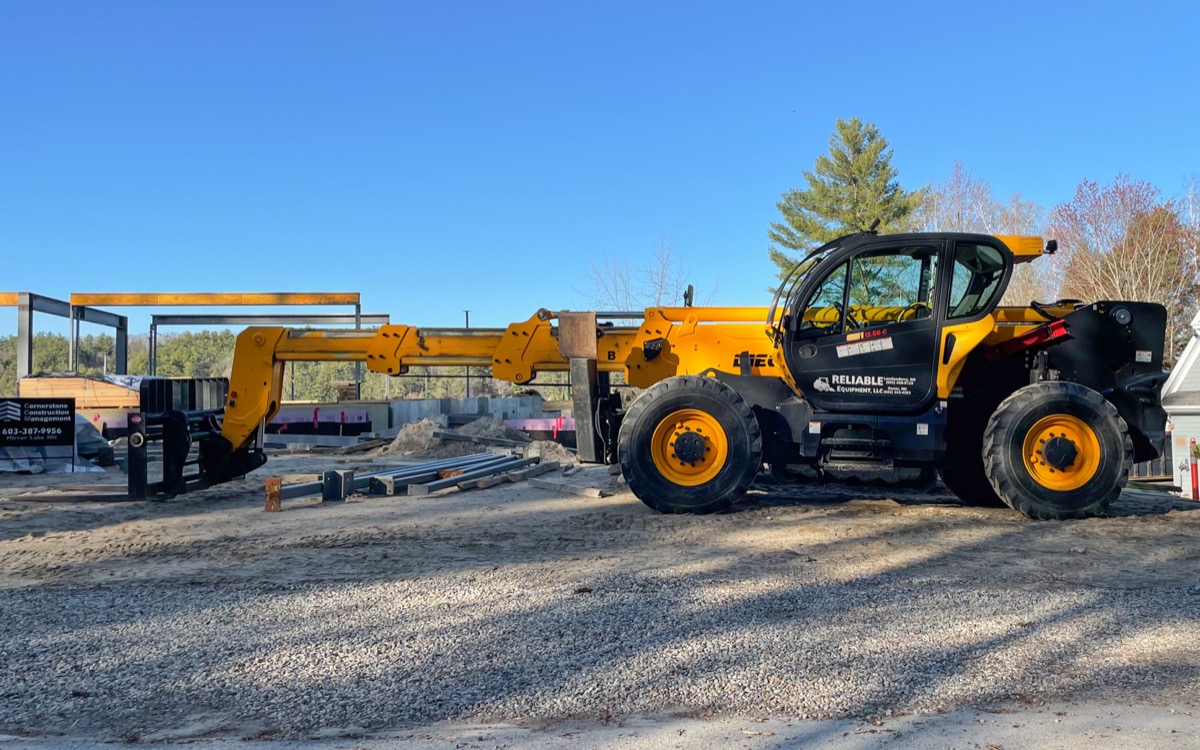
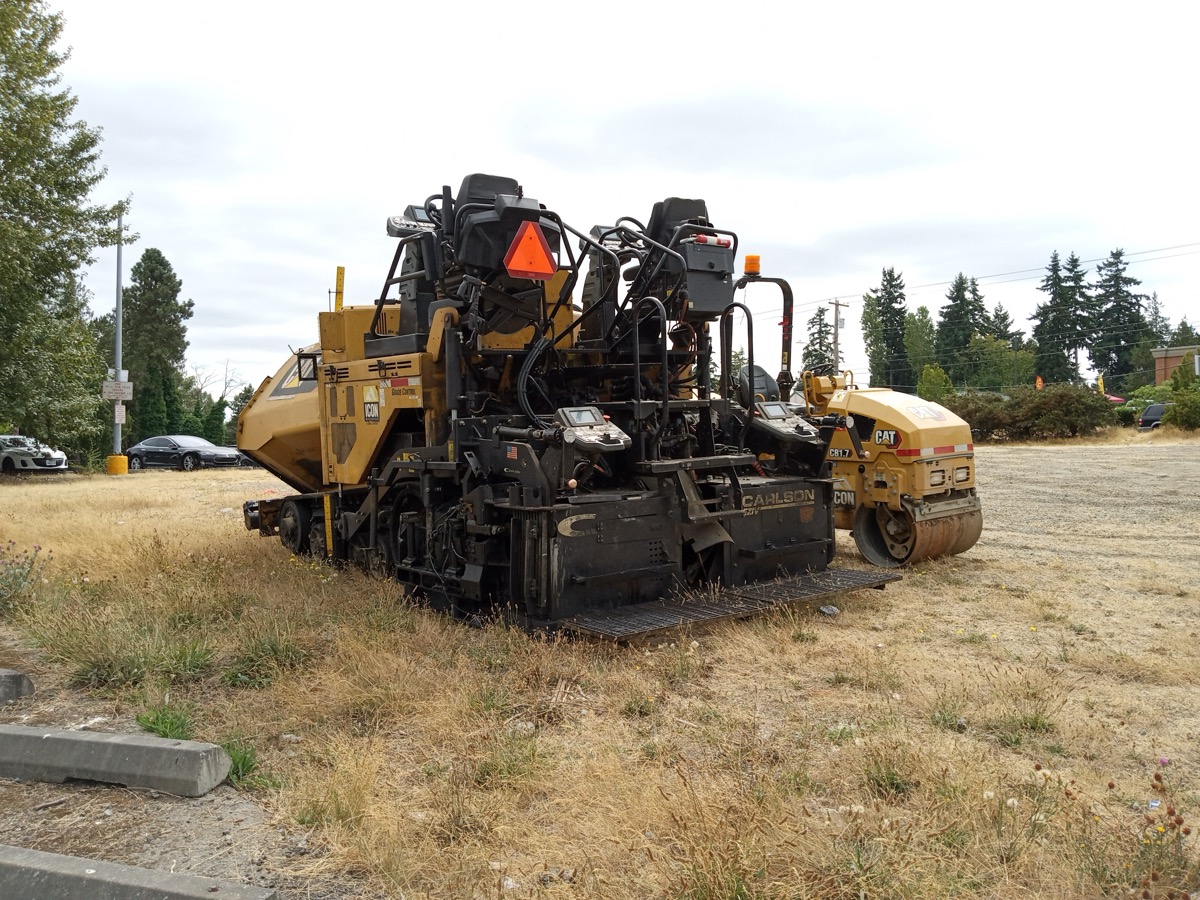
- Machines: excavators, dozers, loaders, skid steers, cranes, lifts, telehandlers, compaction, paving.
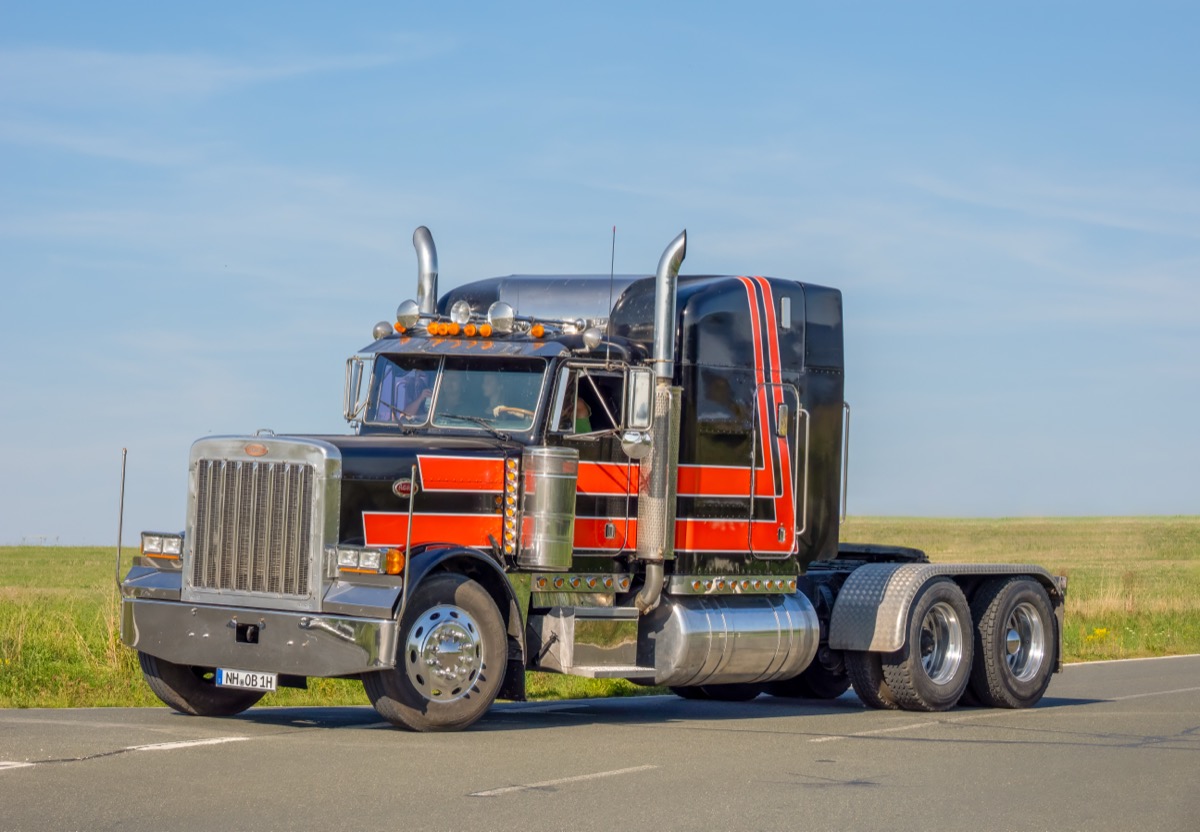
- Trucks over 6,000 lbs GVWR: Class 8 tractors, dump trucks, vocational trucks, and heavy pickups used more than 50 percent for business. Lighter vehicles have separate caps.
- Trailers of every kind.
- Farm equipment: tractors, combines, implements, grain handling.
- Attachments and software bought with or for the equipment.
Requirements: used more than 50 percent for business, bought from an unrelated party, and placed in service in the tax year. The deduction cannot exceed your business's taxable income for the year, though the excess carries forward and bonus depreciation does not have that limit.
What "placed in service" means for your delivery date
The machine has to be delivered and ready for use by December 31. A dealer unit funded on December 28 and sitting on your yard on December 30 qualifies. A machine ordered in December and delivered in January does not, for this year. Auction and private-party purchases need the paperwork and the funding closed in time for delivery, so start those in November, not the last week of December.
Rough first-year savings by machine
| Equipment price | Section 179 deduction | Tax saved at 24% | Tax saved at 32% |
|---|---|---|---|
| $45,000 | $45,000 | $10,800 | $14,400 |
| $85,000 | $85,000 | $20,400 | $27,200 |
| $150,000 | $150,000 | $36,000 | $48,000 |
| $300,000 | $300,000 | $72,000 | $96,000 |
Illustrative only, assuming the full price qualifies, enough taxable income to absorb it, and the marginal rate shown. Your actual benefit depends on entity type, state, income, and other deductions. We do not give tax advice. Confirm with your tax preparer before you buy. Estimate the payment side in the calculator.
Using the deduction without wrecking cash flow
- Deferred first payment. Established businesses can often push the first payment 60 to 90 days, so a December purchase starts paying in March, after the refund lands.
- Down payment sized to the tax savings. Put down what the deduction gives back, not more.
- Do not buy for the deduction alone. A $100,000 machine saves roughly $30,000 in tax and costs $70,000 net. If it does not earn, it is still a $70,000 mistake. Buy the machine you would have bought anyway, just buy it before December 31.